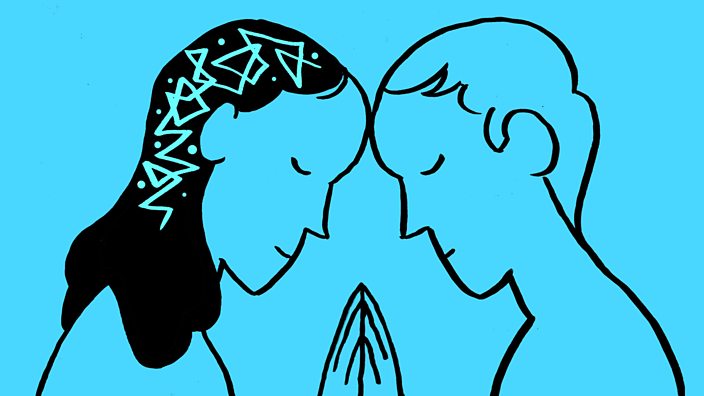
Psychosis is a medical disorder that affect the mind when there has been some loss of contact with reality .Psychosis often begins when a person is in his or her late teens to mid-twenties .It can be a symptom of a mental illness or a physical condition or it can be caused by some medications, alcohol or drug abuse. According to a study Three out of 100 people will experience psychosis at some time in their lives. About 100,000 adolescents and young adults in the US experience first episode psychosis each year. Clinical features of psychosis include hallucinations (seeing, hearing, smelling, tasting or feeling something that is not real), paranoia, delusions (believing in something that is not real even when presented with facts) disordered thoughts and speech. Psychosis affects people from all walks of life. It is a common perception that a person with psychotic symptoms is dangerous. But in reality its not that simple .People experiencing psychosis may behave strangely, they may hear voices, or see things that don’t exist. They may be frightened and confused or withdrawn. However, it is more likely that these people will harm themselves than someone else. It is important to help a person with psychotic symptoms get treatment as quickly as possible. While the treatment strategies in past were very strange or inhumane today thanks to medical researches psychosis can be treated and early treatment increases the chance of a successful recovery. Studies have shown that it is common for a person to have psychotic symptoms for more than a year before receiving treatment. Reducing this duration of untreated psychosis is important because early treatment often means a better recovery. Research supports a variety of treatments for first episode psychosis, especially coordinated specialty care (CSC). It involves a multidisciplinary approach focusing on individual or group psychotherapy where cognitive behavioral therapy helps people solve their current problems. The CBT therapist helps the patient learn how to identify distorted or unhelpful thinking patterns, recognize and change inaccurate beliefs, relate to others in more positive ways, and change problematic behaviors. It’s also necessary to teach family members about psychosis, coping, communication, and problem-solving skills. Family members who are informed and involved are more prepared to help loved ones through the recovery process. Despite all these efforts psychiatric medications remain the mainstay of treatment for psychosis involving a variety of typical and atypical antipsychotics. These medications dumb down the brain and modify its activity in such a way that a person can participate in everyday routine of life. While they have such magical benefits they have their own risks as well therefore it is very important to have a multidisciplinary involvement of physicians. Last but not the least social support in employment and education is very necessary to help patients return to work or school and achieve their personal goals. It is very important for individuals with psychosis to be involved in their treatment planning. Their needs and goals should drive their individual treatment programs, which will help them stay engaged throughout the recovery process.

 Madadgaar