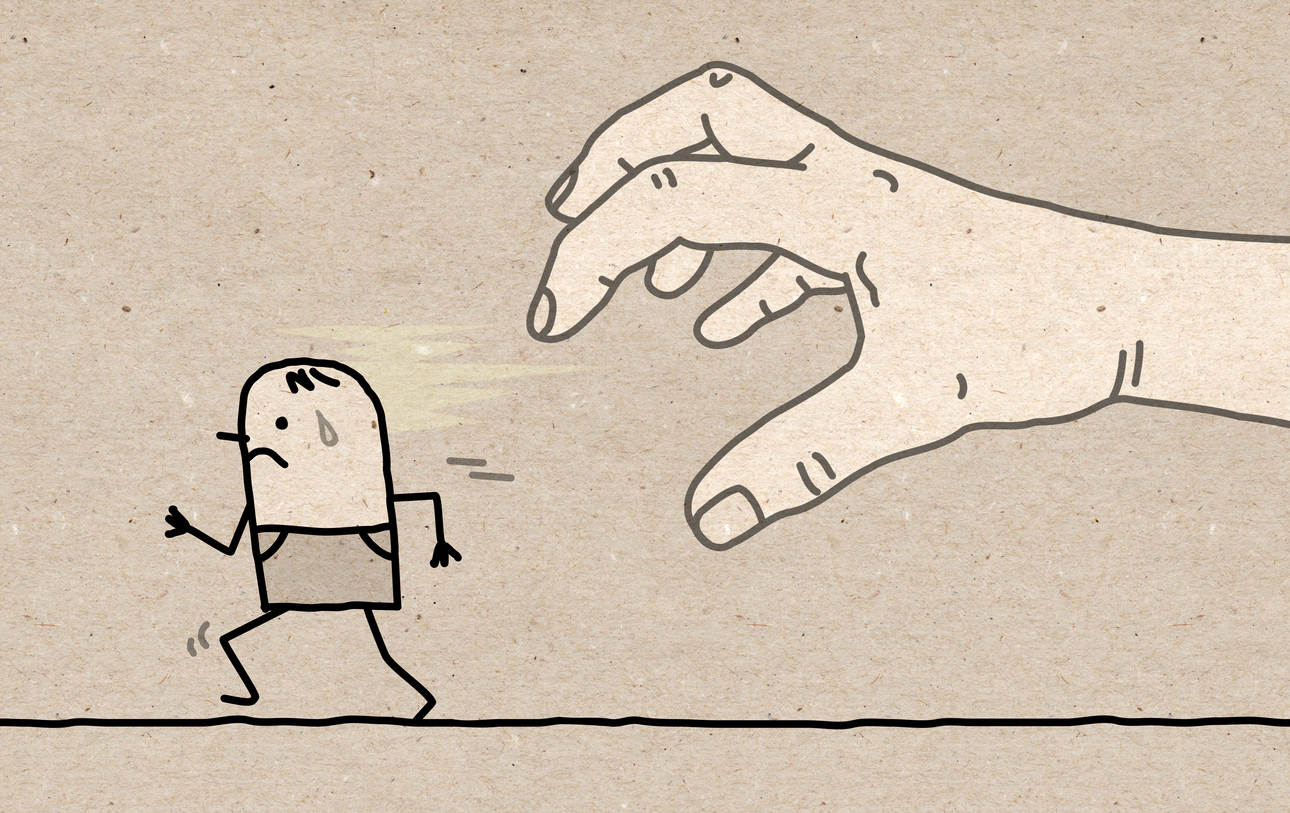
Panic disorder affects 2 to 3% of people in the world per year, and it is twice as likely to occur in women as in men. Individuals with panic disorder tend to have sudden feeling of doom with their heart racing, skin flushing, extremities getting cold, air hunger and dizziness and they therefore become preoccupied with the fear that they may happen again, at any time. This condition can interfere with many aspects of the person’s life, causing them to avoid work or school and avoid situations wherein they fear a panic attack may occur. Many people with panic disorder are embarrassed or afraid to tell anyone about what they experience, instead distancing themselves from family and friends who could be supportive. Panic disorder is highly responsive to treatment. Building a toolbox of self-help strategies can be effective in helping you to manage your symptoms without living in fear. Here are few tips to cope up with panic disorder: The first step in overcoming your panic disorder symptoms is to understand what is happening in your body when you panic. Human body has different physiological responses one such response is the fight or flight response triggered by anxiety. Panic disorder results from misinterpreting sensations linked with the fight-or-flight response as dangerous, which triggers an uncomfortable and often frightening barrage of symptoms – also known as a panic attack. Once you understand what panic disorder is and why you are experiencing the symptoms, you can begin to learn to cope with them. The goal is not to eliminate the attacks, but to find a way to manage them without fear. Relaxation techniques can help to calm your body down, relax your muscles, and help you to think more rationally. Deep breathing technique helps to control the breathing rate and proves efficient to reduce air hunger in an attack. In order to gain control on muscles during an attack one must learn various deep muscle relaxing techniques that involve periodic tensing and relaxing muscle groups in body. All of these symptoms are caused by worrisome thought processes. In order to work on that it is necessary to challenge your fears. Graded exposure to worrisome situations helps reduce the anxiety around such situations. Making coping cards is a very effective method to overcome the panic. These cards include supportive
statements like this is a hassle not a horror, I’m falling into a thinking trap, I’ve confused a thought with a fact , people cannot tell that I’m anxious , it won’t last forever and I can handle this.

 Madadgaar